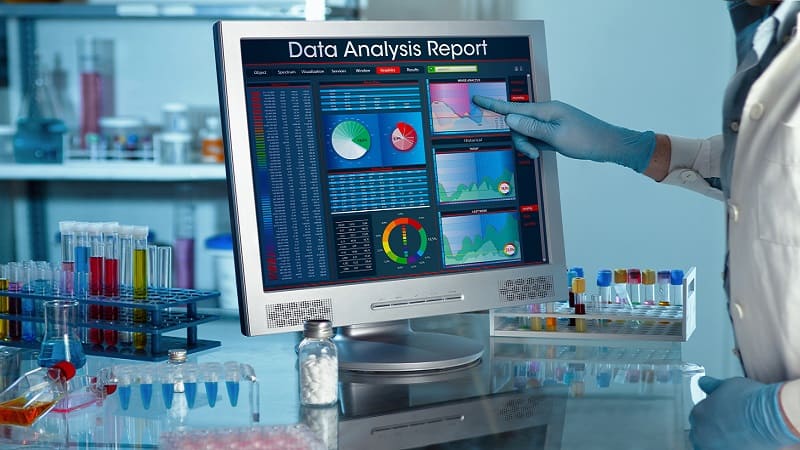
Healthcare organizations must adopt technologies that improve efficiency, accuracy, and patient engagement to remain competitive and operationally strong. Efficient healthcare technologies are no longer optional tools but strategic assets that directly influence outcomes and revenue performance.
For organizations seeking sustainable growth, the right technology investments can significantly strengthen operational workflows and support effective Revenue Cycle Management Solutions.
Growing Importance Of Technology In Healthcare Business
Healthcare delivery today depends heavily on technology driven processes. From patient registration to final payment posting, technology influences every stage of the healthcare journey. Efficient tools help organizations reduce manual work, minimize errors, and improve turnaround times.
As administrative workloads increase, healthcare providers must rely on technology to streamline operations while maintaining compliance and patient satisfaction. Technology tailored for healthcare environments ensures that workflows align with industry regulations and payer requirements.
Organizations that invest in modern healthcare technologies position themselves for long term operational success.
Electronic Health Records For Centralized Data Management
Electronic health records systems remain one of the most critical technologies in healthcare. They allow providers to store, access, and manage patient data securely and efficiently.
Centralized patient information improves coordination between clinical and administrative teams. Accurate documentation supports billing accuracy and reduces claim rejections. When integrated with billing platforms, electronic records contribute to smoother Revenue Cycle Management for Healthcare.
Efficient data management also enhances reporting and supports informed decision making across the organization.
Automated Medical Billing And Coding Systems
Medical billing and coding are complex processes that demand accuracy and compliance. Automated billing systems reduce human error by validating codes, verifying claims, and applying payer specific rules before submission.
These systems accelerate claim processing and reduce denial rates. Automated workflows allow billing teams to focus on exception handling rather than routine tasks.
Healthcare organizations using automated billing technologies experience faster reimbursements and improved financial performance through optimized Revenue Cycle Management Solutions.
Claims Management And Denial Prevention Tools
Claim denials continue to be a major challenge for healthcare businesses. Advanced claims management tools help organizations identify issues before claims are submitted.
Denial prevention technologies analyze historical data to detect patterns and flag high risk claims. Early intervention reduces rework and minimizes revenue leakage.
By strengthening first pass claim acceptance, these tools play a critical role in effective Revenue Cycle Management for Healthcare and improve overall cash flow.
Patient Engagement And Communication Platforms
Patient engagement technologies are essential for improving satisfaction and financial transparency. Modern communication platforms enable appointment reminders, billing notifications, and payment updates through digital channels.
Clear communication reduces confusion and improves patient compliance with financial responsibilities. Engaged patients are more likely to make timely payments and maintain long term relationships with providers.
Patient focused technology supports trust and enhances the overall healthcare experience while contributing to stronger revenue performance.
Data Analytics And Reporting Technologies

Data driven decision making is essential in healthcare operations. Advanced analytics tools provide real time insights into billing performance, payer behavior, and operational trends.
Leadership teams can track key metrics such as claim acceptance rates, days in accounts receivable, and collection efficiency. These insights help organizations refine strategies and identify areas for improvement.
Analytics driven technology strengthens Revenue Cycle Management Solutions by enabling proactive management rather than reactive problem solving.
Compliance And Security Technologies In Healthcare
Healthcare organizations must comply with strict regulatory standards while protecting sensitive patient data. Compliance and security technologies help ensure data privacy and regulatory adherence.
Automated compliance checks reduce the risk of violations and audits. Secure access controls protect patient information from unauthorized access.
Technology that prioritizes compliance safeguards organizational reputation and financial stability while supporting Revenue Cycle Management for Healthcare initiatives.
Cloud Based Healthcare Technology Solutions
Cloud based technologies offer flexibility and scalability for healthcare businesses. These platforms allow secure access to systems from multiple locations while reducing infrastructure costs.
Cloud solutions support collaboration across teams and ensure consistent data availability. They also allow organizations to scale operations without significant system overhauls.
For growing healthcare organizations, cloud based technology provides the agility needed to adapt to changing business demands.
Choosing The Right Technology Partner For Healthcare Success
Technology alone does not guarantee success. Choosing the right partner to implement and manage healthcare technologies is equally important. An experienced partner understands industry regulations, payer dynamics, and operational workflows.MEDSTAT offers the agility of a local partner backed by global resources. This enables healthcare organizations to adopt efficient technologies while maintaining personalized support and accountability. A trusted technology driven partner ensures that investments deliver measurable value and long term benefits.


 By MedStat Marketing