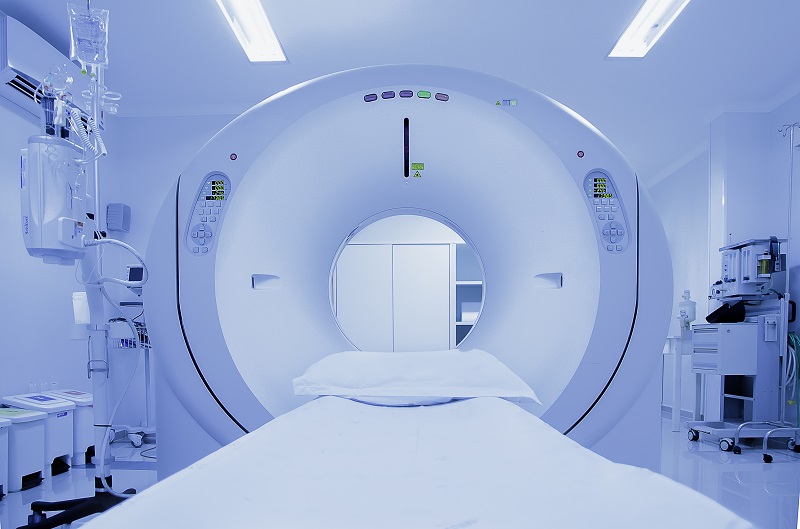
Radiology plays a critical role in modern healthcare, supporting faster diagnoses and better clinical outcomes. However, behind every imaging service lies a complex billing and reimbursement process. Radiology billing is one of the most challenging areas of medical revenue cycle management (RCM) due to high procedure volumes, complex coding requirements, and strict payer regulations. Even minor errors can result in delayed payments, claim denials, or revenue leakage.
Understanding the top challenges in radiology billing and how a strong RCM strategy addresses them can help imaging centers, hospitals, and physician groups improve cash flow, compliance, and operational efficiency.
Complexity Of Radiology Coding and Modifiers
Radiology billing involves extensive use of CPT codes, ICD-10 diagnosis codes, and multiple modifiers. Technical components, professional components, bilateral procedures, contrast usage, and multiple imaging studies performed in a single visit add layers of complexity.
Incorrect code selection or modifier usage is one of the leading causes of claim denials in radiology.
How RCM Helps?
A specialized radiology RCM process ensures accurate coding by certified coders who understand payer-specific rules and radiology guidelines. With ICD-10–compliant workflows and continuous code updates, experienced RCM partners like MEDSTAT reduce coding errors and maximize clean claim rates.
High Claim Denial Rates From Payers
Radiology practices often face higher-than-average denial rates due to missing documentation, medical necessity issues, incorrect patient information, or authorization errors. Denials not only delay reimbursement but also increase administrative workload and costs.
How RCM Helps?
An effective RCM strategy includes proactive denial management, identifying denial trends, correcting root causes, and resubmitting claims promptly.
Prior Authorization And Medical Necessity Challenges
Many radiology services require prior authorization, especially advanced imaging such as MRI, CT, and PET scans. Failure to obtain or properly document authorization can result in outright claim rejections.
Additionally, payers scrutinize radiology claims for medical necessity based on diagnosis-to-procedure alignment.
How RCM Helps?
A comprehensive RCM approach integrates authorization tracking and medical necessity validation before claims submission. By ensuring proper documentation and payer compliance upfront, radiology providers can significantly reduce preventable denials and lost revenue.
Frequent Regulatory And Payer Policy Changes
Radiology billing regulations and payer policies change frequently, including updates to CPT codes, National Correct Coding Initiative (NCCI) edits, and Medicare reimbursement rules. Keeping internal billing teams updated can be challenging and resource-intensive.
How RCM Helps?
Partnering with an experienced medical billing company like MEDSTAT ensures continuous compliance with evolving regulations.
Managing High-Volume Claims Efficiently
Radiology departments often process a high volume of claims daily, especially in hospital-based or diagnostic imaging centers. Manual billing processes can quickly lead to backlogs, errors, and delayed reimbursements.
How RCM Helps?
RCM solutions streamline workflows using automation, claim scrubbing, and real-time tracking. These tools improve turnaround times, enhance accuracy, and ensure faster reimbursement cycles, helping radiology practices maintain consistent cash flow.
Patient Billing And Transparency Issues

With rising patient financial responsibility, radiology practices must manage patient billing carefully. Confusing statements, billing errors, or lack of transparency can lead to patient dissatisfaction and delayed collections.
How RCM Helps?
A patient-centric RCM approach improves billing clarity, provides timely statements, and supports patient inquiries.
Lack of In-House Radiology Billing Expertise
Maintaining an in-house radiology billing team requires ongoing training, staffing, and technology investment. For many practices, this leads to higher operational costs and inconsistent performance.
How RCM Helps?
Outsourcing radiology billing to a trusted partner offers access to specialized expertise without the overhead.
Conclusion
Radiology billing challenges can significantly impact revenue if not managed effectively. From complex coding requirements to payer denials and regulatory changes, the risks are high, but so are the opportunities for improvement.A robust RCM strategy, supported by an experienced partner like MEDSTAT, enables radiology practices to overcome billing challenges, ensure compliance, and achieve sustainable revenue growth. MEDSTAT delivers the expertise, technology, and reliability radiology providers need in today’s evolving healthcare landscape.


 By MedStat Marketing