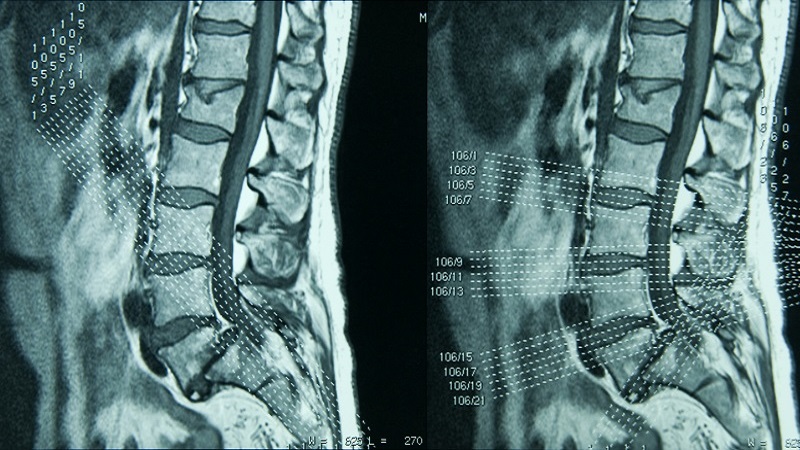
Lumbar Spine MRI is one of the most frequently ordered advanced imaging studies in Medicare populations and consistently one of the most denied. High utilization combined with heightened Medicare scrutiny makes this service line a key area of financial and compliance risk for providers and healthcare organizations.
The Utilization–Denial Reality
Lumbar Spine MRI demonstrates a familiar pattern: high order volume, high audit visibility, and high denial rates driven primarily by documentation gaps, not inappropriate care.
Most denials are preventable and are commonly linked to:
- Medical necessity not clearly supported in the medical record
- Incomplete or insufficient documentation
- Failure to submit requested records within Medicare timeframes.
What Medicare Is Signaling
Medicare coverage for Lumbar Spine MRI is defined by national CMS policy and refined by MAC-specific LCDs (cms.gov). Pain alone does not establish medical necessity. Clinical history, objective findings, and conservative treatment history are critical factors. When MRI is ordered, Medicare expects that the results will meaningfully impact medical decision-making. Billing & Coding Article A57206
Common Denial Drivers
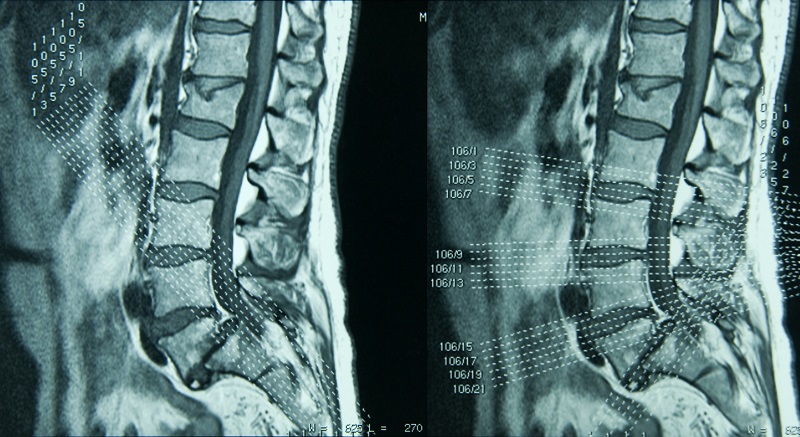
- MRI ordered for low back pain alone
- No documented conservative therapy
- Vague indications (e.g., “back pain,” “degenerative disc disease”)
- Repeat MRI without new or worsening findings
- Partial or late documentation submitted during medical review
The Opportunity
Organizations that reduce Lumbar Spine MRI denials do not order fewer studies, they document with intention. Aligning documentation with CMS and MAC expectations, standardizing workflows, educating providers, and responding to Medicare timely are the most effective strategies to reduce denials and protect revenue.
Bottom Line
High volume attracts high scrutiny. Medical necessity must be demonstrated, not assumed. MedStat partners with providers to identify risk, strengthen documentation, and reduce avoidable denials.